
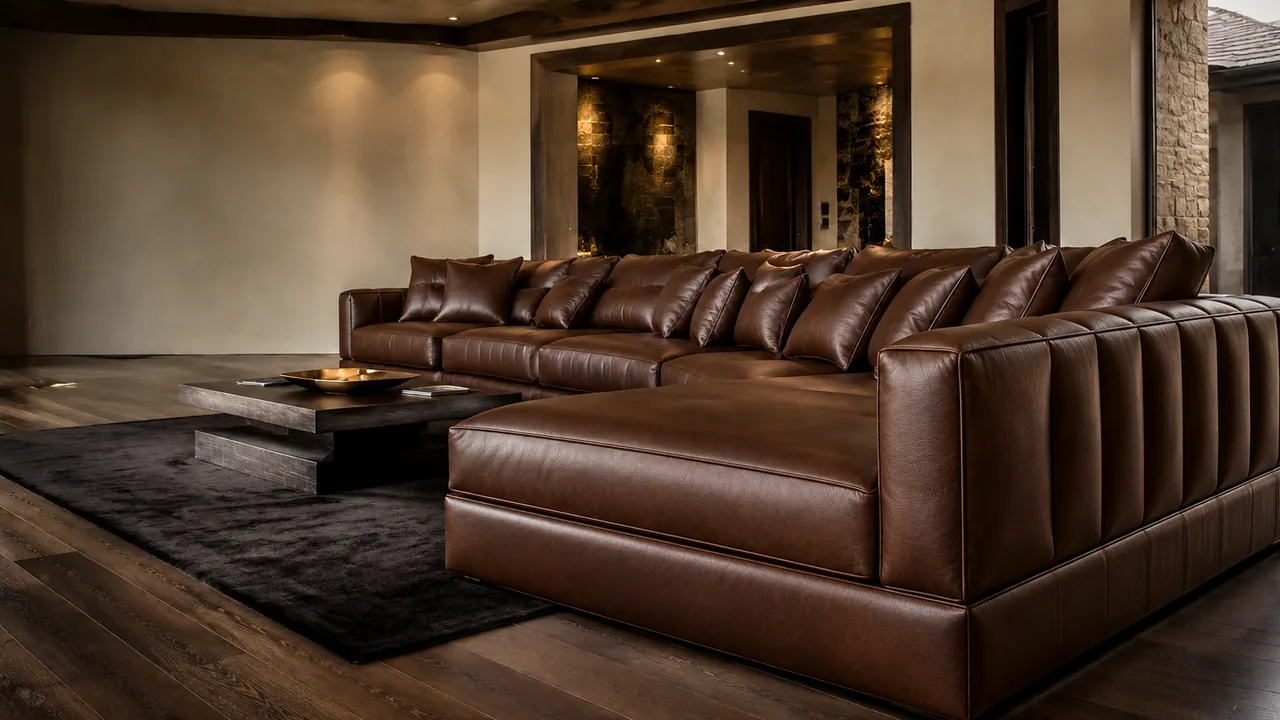
Begin with the room you actually use
Describe who uses the room, what happens there, and what needs to feel different. A family gathering space, a quiet reading room, and an office for meeting clients can need very different furniture even when their floor plans look similar.
Choose the piece that will do the most work. It may be a sofa that anchors a large room, a table that brings everyone together, or a bed that gives the suite its character. Decide what that piece needs to achieve before choosing every finish.
Measure the room—and the way into it
Bring a simple floor plan with room dimensions, doors, windows, fireplaces, and built-in cabinetry. Include the furniture you intend to keep. Photographs from each corner help explain relationships that a single inspiration image cannot.
Mark the proposed furniture footprint on the floor and walk around it. Open nearby doors, pull out dining chairs, and consider a recliner in its extended position. Review the delivery route separately, including entrance openings, turns, stairs, and elevators. Final fit needs confirmation against the actual piece.
Separate essentials from preferences
Identify the fixed decisions: a maximum width, a material to coordinate, a seat feel you prefer, or an existing table height. Then explain which choices you are open to exploring. This helps the design develop around the right constraints.
Use references to explain specific qualities. Point to the arm shape, back height, wood tone, or restraint of the detailing. A clear reason for each reference is more useful than a large folder of unrelated rooms.
Make the written proposal the reference point
Before placing a custom order, review the final dimensions, material and finish references, included components, quoted price, payment schedule, production estimate, delivery scope, and purchase terms. Confirm what happens if a material is unavailable or a specification changes.
A design study establishes a direction. A written order establishes what will be supplied. If a piece is presented as one of one, ask which design elements are exclusive and how that status is documented. Keep that distinction clear when comparing a commissioned design with a configurable collection piece.
BRING TO THE CONVERSATION
Your project checklist
- Room dimensions and photographs
- Existing pieces that will remain
- Preferred size and function
- Two or three references with notes
- Investment range and desired timing
- Delivery city and access considerations